About
About Stopped Clocks
Documenting Britain’s stopped public clocks.
What This Is
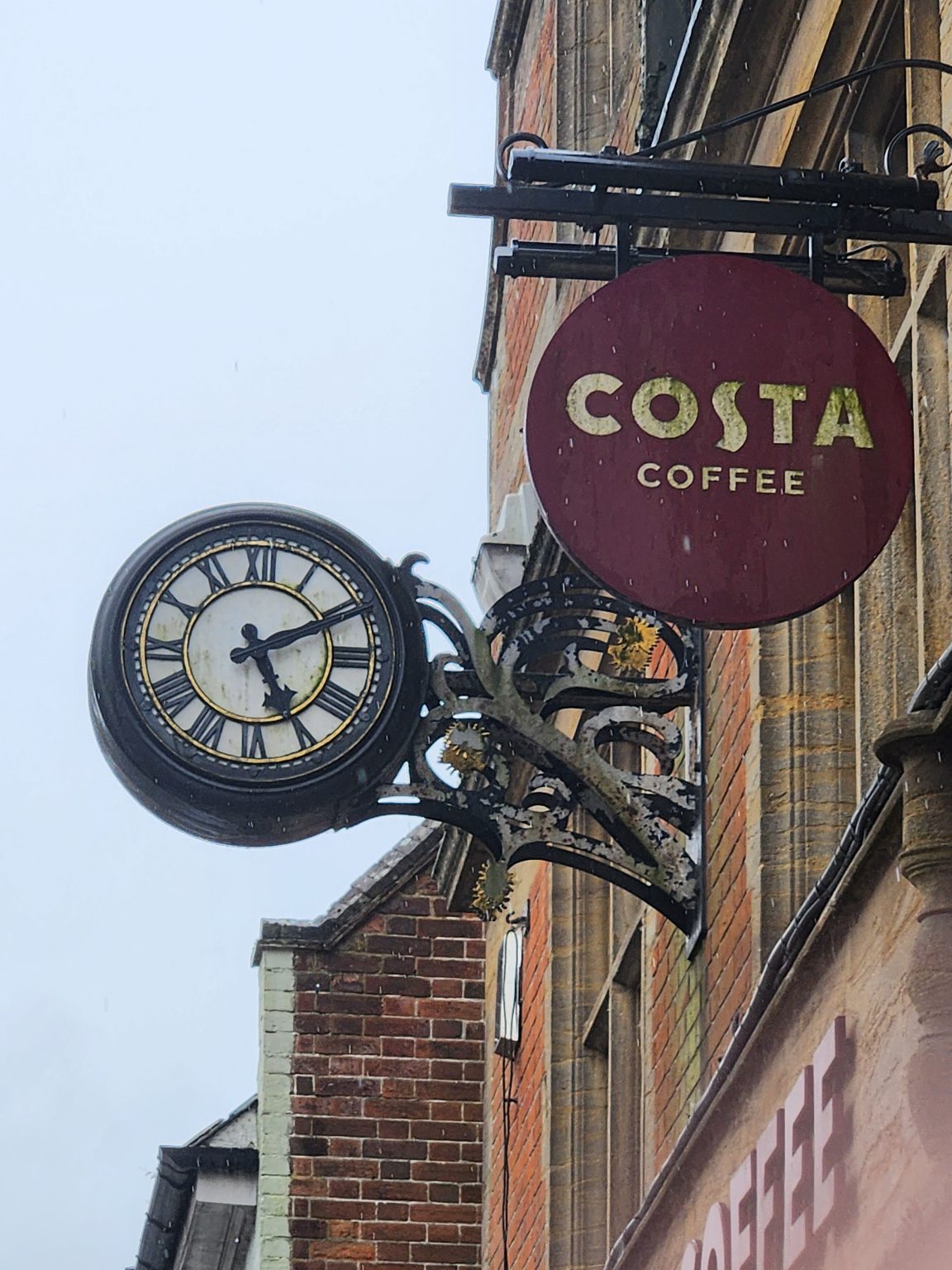
This is a platform for documenting Britain’s stopped public clocks. Not just a few — hundreds of them now, frozen at random times across every city and town. Victorian timepieces that once synchronised entire communities now stand ignored, backgrounded into street furniture nobody notices anymore — until someone points them out, then you can’t help but see them everywhere.
My Mum said something years ago that stuck with me:
“It’s a small thing, but when I see a stopped clock I feel somehow uncared for.”
That feeling matters. These aren’t random mechanical failures — they’re visible markers of 40 years of council cuts, austerity, and civic disinvestment. When councils lose £16 billion and eight declare bankruptcy, fixing a £1,500 clock becomes impossible.
The Platform
Anyone can photograph a stopped clock and upload it here. The site helps with the research that would otherwise take days for each clock — hunting through council documents, local news archives, heritage listings, historical records. All the findings are editable via a wiki system, so the community can refine and add to what’s discovered.
The platform also finds patterns across the entire collection. Which councils have the most stopped clocks? Which building types? Which policy eras? Individual clocks tell local stories. Clusters reveal national patterns — how austerity hit Victorian railway stations differently than post-war town halls.
This lowers the barrier from “spend 3 days researching this building” to “take a photo and click a button.” People upload photos. Initial research gets done. Patterns emerge. Users edit and refine. Stories get told.
It’s grassroots documentation at scale.
Real-World Context
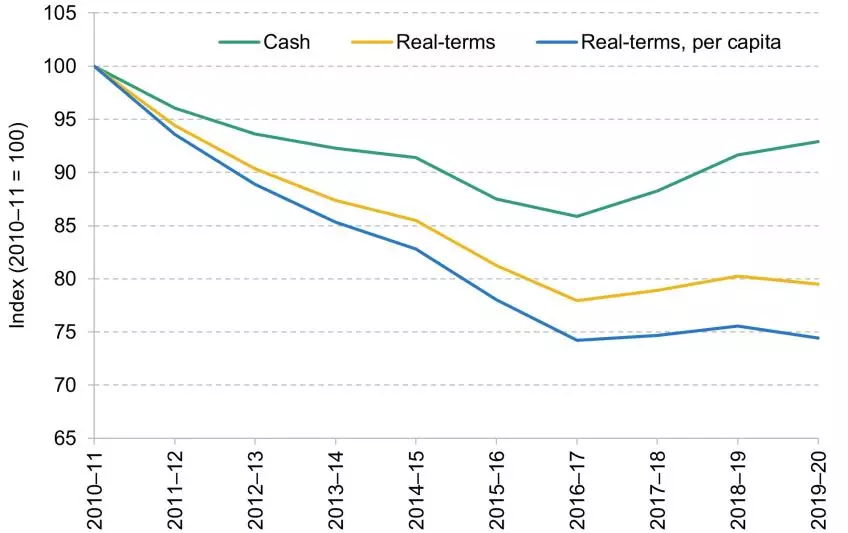
Since 2010, UK councils have lost £16 billion in funding. Eight have declared bankruptcy since 2017 — Birmingham, Nottingham, Croydon, and others. When a council declares Section 114 (effective bankruptcy), heritage maintenance is eliminated entirely. The stopped clocks aren’t failures of maintenance; they’re political decisions made visible.
The Caledonian Park clock tower in North London had been stopped for five years when I started working with it back in 2012. I built a volunteer group who learned to wind the massive pendulum mechanism, and for the first time in years, the 46-metre Grade II* listed tower was telling time again. It was a small act of civic defiance: if the council couldn’t maintain it, the community would.
That tower eventually got a £1.9 million Heritage Lottery restoration. But hundreds of other public clocks remain stuck, their hands marking not the time but the moment someone decided they weren’t worth fixing.
Who’s Behind This
Often with public clocks: no one, or everyone. They sit in a grey area between councils, landlords and tenants. That’s why a nudge — and a bit of local energy — helps.
This platform exists to make that easier. To help people see these clocks, understand their stories, and maybe get them ticking again.
Get Involved
You can help document Britain’s stopped clocks:
- Share photographs — Upload photos of stopped clocks you’ve spotted.
- Contribute research — Help refine and expand the stories behind each clock.
- Join the community — Connect with others documenting civic infrastructure.
Contact
Get in touch about stopped clocks in your area, or to discuss the project.
Email: alfie@stoppedclocks.org